
Introduction
In the modern digital landscape, a website is no longer a luxury—it’s a necessity. Whether you’re a filmmaker, entrepreneur, artist, or community leader, your website is your digital handshake, your storefront, and your storytelling canvas. The process of website designing is where creativity meets strategy, and where your vision transforms into a living, breathing online presence.
In the modern digital landscape, a website is no longer a luxury—it’s a necessity. Whether you’re a filmmaker, entrepreneur, artist, or community leader, your website is your digital handshake, your storefront, and your storytelling canvas. The process of website designing is where creativity meets strategy, and where your vision transforms into a living, breathing online presence.
What Is Website Designing?
Website designing is the process of planning, structuring, and visually crafting a website to deliver a specific experience to users. It involves:
- Visual Design: Layout, colors, fonts, and imagery
- User Experience (UX): Navigation, responsiveness, and accessibility
- Content Strategy: Messaging, storytelling, and calls to action
- Technical Integration: Hosting, SEO, and performance optimization
A well-designed website is not just beautiful—it’s functional, intuitive, and aligned with your goals.
Why Good Website Design Matters
First Impressions Count
Users form opinions about your website—and therefore your business—within 0.05 seconds. A clean, professional design can establish credibility instantly, while a cluttered, outdated layout may drive users away.
Improves User Experience (UX)
A well-structured design provides smooth navigation, intuitive interaction, and meaningful content delivery. This not only satisfies users but also reduces bounce rates and improves engagement.
Enhances SEO
Good web design also boosts your site’s search engine optimization (SEO). A responsive layout, fast loading times, and logical structure contribute to higher rankings on search engines like Google.
Increases Conversions
Whether your goal is sales, newsletter sign-ups, or downloads, strategic web design can lead users to desired actions, enhancing conversion rates.
Mobile Optimization: Over 60% of traffic comes from mobile devices.
Search Engine Visibility: Design affects how Google ranks your site.
Brand Identity: Your design reflects your values and voice.
Step-by-Step Guide to Designing Your Website
Here’s a simplified roadmap:
Step 1: Define Your Purpose
Is it a portfolio, blog, e-commerce site, or community hub?
Step 2: Know Your Audience
Understand their age, interests, and browsing habits
Step 3: Choose Your Platform
WordPress for flexibility, Wix for simplicity
Step 4: Plan Your Structure
Create a sitemap: Home, About, Services, Blog, Contact
Step 5: Design Your Layout
Use wireframes or templates to visualize
Step 6: Add Content
Include text, images, videos, and forms
Step 7: Optimize for Mobile
Test on phones and tablets
Step 8: Test and Launch
Check speed, links, and responsiveness
Tools and Technologies in Website Designing
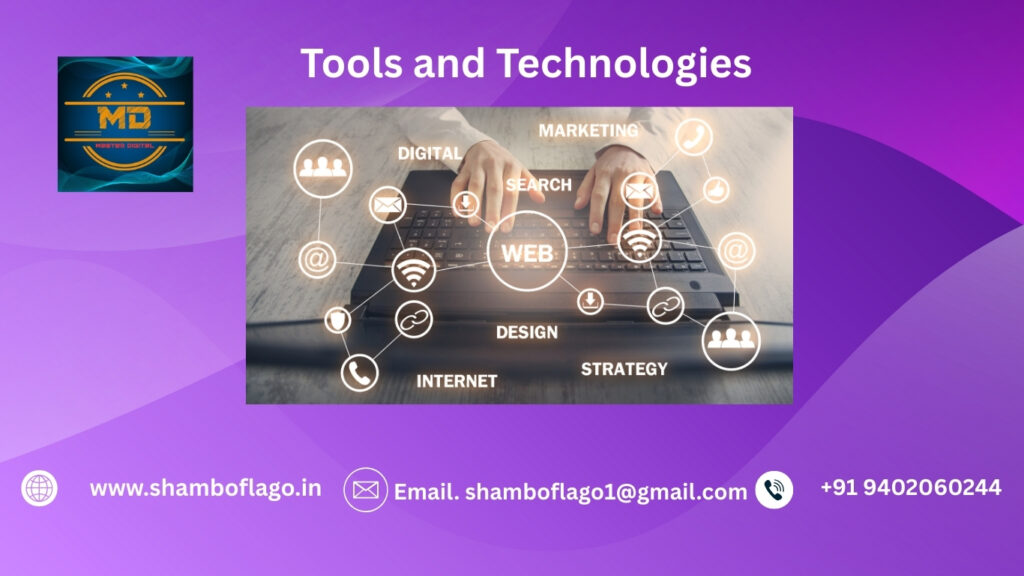
Designing websites today is easier and more powerful than ever, thanks to a wide range of tools.
Design Tools:
- Figma – Collaborative design platform.
- Adobe XD – UI/UX design and prototyping.
- Sketch – Vector-based design tool for macOS.
- Canva – Beginner-friendly for quick visual designs.
Development Tools:
- HTML/CSS/JS – Core languages for front-end development.
- React/Vue/Angular – Modern JavaScript frameworks.
- WordPress – Popular CMS with design flexibility.
- Webflow – No-code platform with powerful design tools.
Design Trends in 2025
Stay ahead with these modern styles:
- Dark Mode: Sleek and easy on the eyes
- Microinteractions: Subtle animations for feedback
- Neumorphism: Soft, tactile design elements
- Voice-Activated Interfaces: Accessibility meets innovation
- Minimalism: Clean, focused layouts
Common Mistakes in Website Designing
Even with the best tools, designers can fall into common traps. Here are some mistakes to avoid:
- Ignoring Mobile Optimization
- Slow Load Times
- Inconsistent Branding
- Lack of Clear Navigation
- Too Many CTAs
- Poor Typography Choices
- Overuse of Stock Images
Trends in Website Design (2025 and Beyond)
Staying ahead of trends can help you create cutting-edge digital experiences.
- AI-Generated Design Assets
AI tools like DALL·E and Midjourney allow creation of custom visuals and illustrations tailored to brand identity.
- Dark Mode Design
More users prefer darker themes for readability and eye comfort.
- Voice User Interface (VUI)
With the rise of voice assistants, sites are being designed to support voice navigation.
- Immersive 3D Elements
Interactive 3D graphics and animations provide engaging experiences.
- Microinteractions
Small animations that provide feedback or improve navigation—such as hover effects and button transitions.
- Augmented Reality (AR) Integration
The Future of Website Designing
The future of website designing lies at the intersection of creativity and machine learning. As AI continues to evolve, we may see fully autonomous design systems that continuously learn and adapt from user behavior. Personalization will become more precise, and design will become more inclusive and efficient.
Key directions:
- Fully voice-controlled websites
- Real-time A/B testing with AI
- Quantum computing for hyper-personalized design
- Integration of biofeedback to adapt design based on user emotion or reaction
Conclusion
Website designing is more than a technical skill—it’s a creative journey. It’s about building a space where your message, identity, and goals come alive. Whether you’re creating a site for a federation, a film project, or a community initiative, thoughtful design can amplify your impact and connect you with the world.